If your home in NSW was built before 1970, there is a strong chance it contains lead paint. Before 1970, lead was a standard ingredient in house paint across Australia. Homes built between 1970 and 1997 may also contain lead paint, though at lower concentrations. Testing is straightforward, costs between $30 and $500 depending on the method, and knowing what you are dealing with is the single most important step before any renovation or repaint.
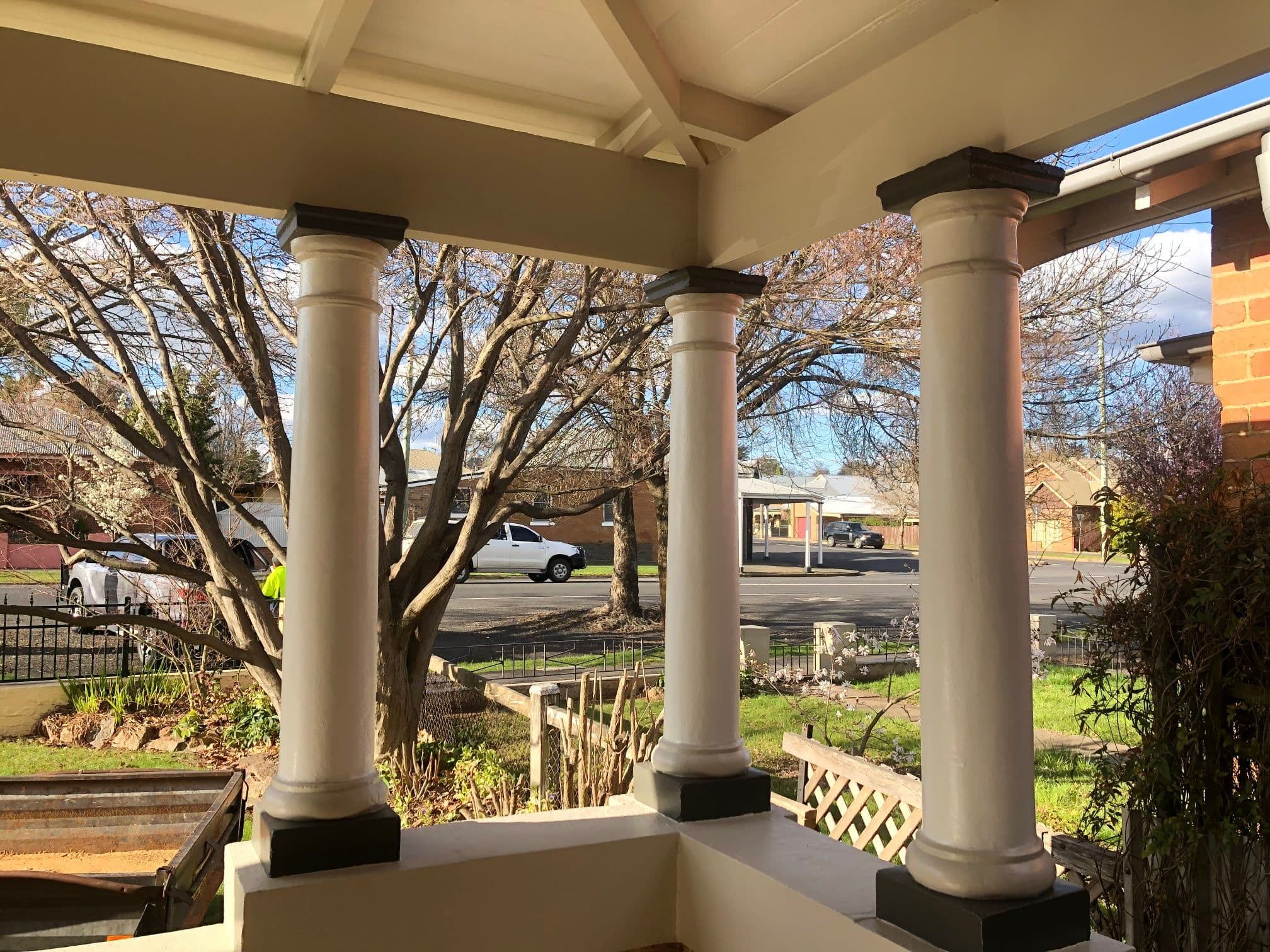
I have been painting homes across Orange, Bathurst, Millthorpe, Blayney, and Carcoar for over fifty years. In that time, I have worked on hundreds of older properties, many of themheritage listed, and lead paint is something I encounter regularly. The Central West is full of beautiful old homes from the 1890s through to the 1960s, and almost every one of them has lead paint somewhere. Here is what homeowners need to know.
Why Lead Paint Was So Common
Lead was added to paint because it made the finish harder, more durable, and faster drying. It also resisted moisture, which made it popular for exteriors. In a climate like ours here in Orange, sitting at 862 metres elevation with frost for five to eight months of the year and summer temperatures pushing past 35 degrees, a tough exterior coating was exactly what people wanted. Lead-based paints delivered that toughness, and they were used on everything from weatherboards and window frames to interior walls, skirting boards, and even ceilings.
Australia banned the use of lead in household paint in 1997, with concentrations restricted to no more than 0.1 percent. But the ban did not remove existing lead paint from homes. It is still there, layer upon layer, on properties right across the Central West. In towns like Carcoar and Millthorpe, where many homes date back to the gold rush era, lead paint is practically guaranteed.
The Health Risks Are Real
Lead is a cumulative toxin. It affects the brain, kidneys, liver, and nervous system. Children under six are most vulnerable because their bodies absorb lead more readily, and even low levels of exposure can cause developmental delays, learning difficulties, and behavioural problems. For adults, long term exposure can cause high blood pressure, kidney damage, and reproductive issues.
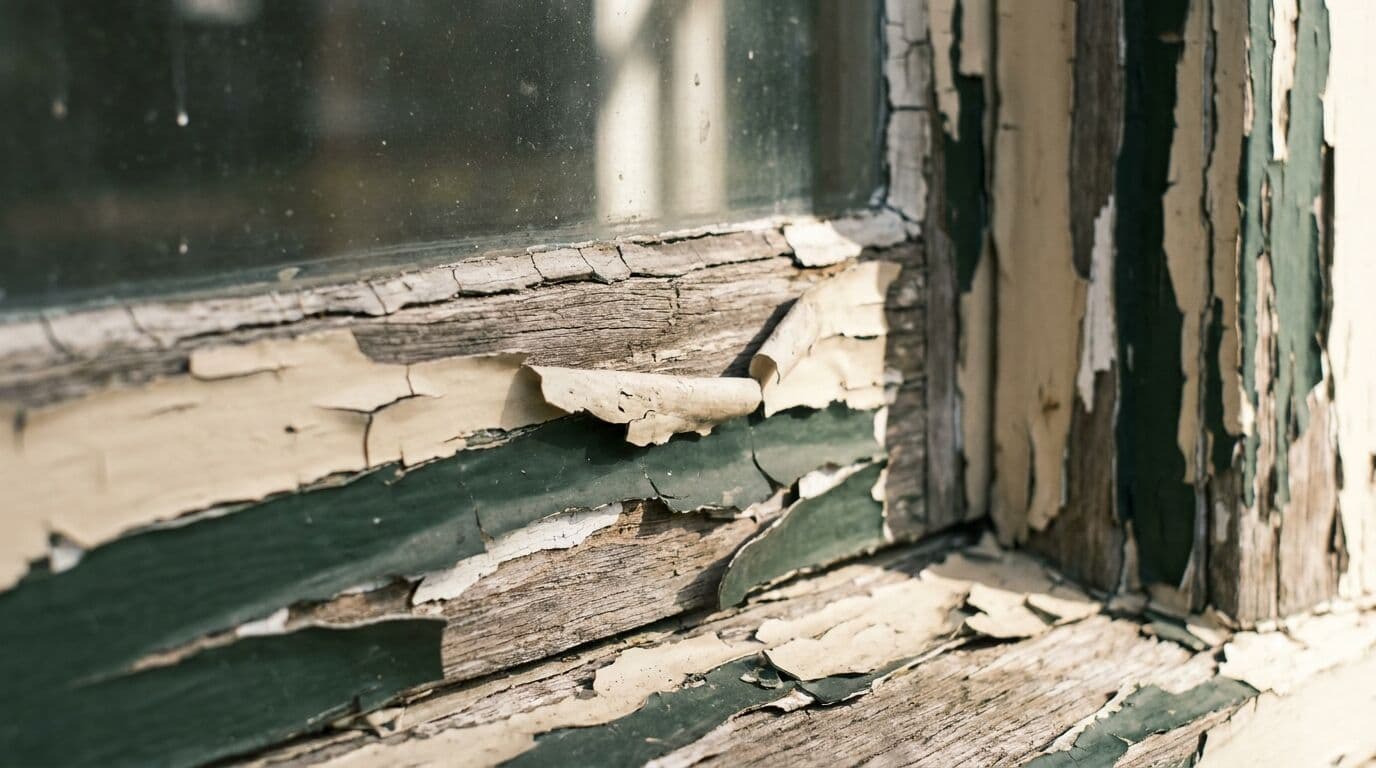
The danger is not in the paint sitting quietly on a wall. The risk comes when lead paint is disturbed. Sanding, scraping, dry brushing, or using a heat gun on lead paint creates fine dust and fumes that are easily inhaled or ingested. Even paint that is deteriorating on its own, chalking, flaking, or peeling, releases lead dust into the surrounding soil and air. Our harsh UV levels in the Central West accelerate this breakdown, especially on north and west facing walls that cop the worst of the summer sun.
How to Test for Lead Paint
You cannot tell if paint contains lead just by looking at it. The colour, texture, and condition give no reliable indication. Testing is the only way to know for certain. There are three main options:
- DIY lead test kits ($30 to $50): Available from Bunnings and hardware stores. These use a chemical swab that changes colour when lead is present. They are useful as a first pass, but they only test the surface layer. If the lead paint is buried under several coats of newer paint, a swab test may miss it. Accuracy varies between brands.
- NATA accredited laboratory testing ($50 to $150 per sample): You collect paint chip samples yourself and send them to a lab. This is more reliable than a swab test because the lab analyses all layers of paint, not just the surface. You will typically get results within five to ten business days.
- Professional lead assessment ($300 to $500): A licensed assessor visits your property, takes multiple samples from different areas, and provides a detailed report. This is the most thorough option and is worth the investment if you are planning a major renovation or full exterior repaint. The report tells you exactly where lead is present and at what concentration.
I always recommend testing before any preparation work begins. At Murrays Painting, we treat every pre-1970 home as a potential lead paint property until proven otherwise. It is part of our standard process.
Safe Removal and Encapsulation Options
Once you know lead paint is present, you have two main approaches. The right choice depends on the condition of the existing paint, the location, and your budget.
Encapsulation means painting over the lead paint with a modern, high quality coating that seals it in place. This is the preferred approach when the existing paint is in sound condition, meaning it is not flaking, peeling, or chalking. We use Dulux products for this because their adhesion and durability are proven in our climate. A good quality Dulux acrylic system, primer and two topcoats, bonds to the old surface and creates a barrier that prevents lead dust from being released. This is typically the most cost effective option, running $40 to $70 per square metre for exterior work including preparation.
Removal is necessary when the existing paint is failing, when surfaces need significant repair, or when the property is being restored to bare timber. Safe removal of lead paint is not a weekend DIY project. It requires proper containment, personal protective equipment, HEPA filtered vacuums, and careful waste disposal. For a professional lead paint removal job on a typical weatherboard home in Orange or Bathurst, expect to pay $15,000 to $40,000 depending on the size of the house and the extent of the lead paint.
There are methods you should never use on lead paint:
- Dry sanding or dry scraping without containment and a P2 respirator
- Using a heat gun or open flame, which creates toxic lead fumes
- High pressure water blasting, which spreads lead contaminated debris across your property
- Using a belt sander or orbital sander without a HEPA vacuum attachment
What the Law Says in NSW
In NSW, lead paint removal on residential properties is covered by SafeWork NSW guidelines and the Work Health and Safety Regulation 2017. Any work that disturbs more than one square metre of lead paint must follow specific controls. If the work involves removing lead paint from a commercial building or common areas of a residential strata property, a licensed asbestos and lead assessor may be required to oversee the project.
For residential homes, there is no legal requirement to use a licensed removalist for lead paint specifically, but there are strict rules about how the work is done and how waste is disposed of. Lead paint waste is classified as hazardous and cannot go in your regular bin. It must be taken to a facility that accepts hazardous waste. Your local council in Orange, Bathurst, or Blayney can advise on the nearest drop off point.
If you are a landlord, you have obligations under the Residential Tenancies Act to maintain the property in a reasonable state of repair. Deteriorating lead paint on a rental property is a maintenance issue that should be addressed promptly.
Preparation Is Everything
Whether we are encapsulating or removing lead paint, preparation is the most critical part of the job. On a pre-1970 home, preparation takes longer than it does on a newer property. We wet sand rather than dry sand. We use chemical paint strippers where mechanical removal is needed. We lay down plastic sheeting to catch all debris. And we clean up thoroughly at the end of each day, because lead dust settles on surfaces and can be tracked inside on shoes and clothing.
For exterior work, we pay close attention to the soil around the base of the house. Decades of lead paint weathering can contaminate the garden beds and lawn directly below painted surfaces. If you have children or pets, it is worth having the soil tested as well. A contaminated soil test costs around $50 to $100 per sample through a NATA accredited lab.
Every job we do is owner supervised. You are welcome to be on site, ask questions, and see exactly how we are handling the preparation and paint application. With something as important as lead paint management, transparency matters.
Practical Steps for Central West Homeowners
If you own an older home in the Central West, here is a straightforward plan:
- Step 1: Determine your home's age. Council records or the original building approval will confirm the construction date.
- Step 2: Test for lead paint before any painting, renovating, or disturbing old surfaces. Start with a DIY kit if budget is tight, but consider lab testing for a definitive answer.
- Step 3: If lead is confirmed, get professional advice on whether encapsulation or removal is the right approach for your situation.
- Step 4: If the paint is in good condition and not flaking, it is generally safe to leave it alone or paint over it with proper preparation. Do not sand it yourself without appropriate safety measures.
- Step 5: Keep records of any lead testing and remediation work. This information is valuable when selling the property or arranging insurance.
What About Heritage Listed Properties?
Many of the older homes in Orange, Millthorpe, and Carcoar are heritage listed or sit within heritage conservation areas. This adds another layer to lead paint management because heritage guidelines may restrict the methods and materials you can use. For example, you might not be able to replace original timber windows with aluminium, even if the old windows are coated in lead paint. In these cases, careful removal and repainting with appropriate colours, often sourced from the Dulux Heritage range, is the way forward. We have done plenty of heritage work across the Central West, and we understand how to balance safety requirements with conservation obligations.
If you are concerned about lead paint in your home, or you are planning a repaint on an older property anywhere in the Central West, give Murrays Painting a call for a free quote. We will assess your property, advise on the best approach, and make sure the job is done safely and to the highest standard. After fifty plus years in the trade, there is not much we have not seen when it comes to older homes and the challenges they present.