After fifty years of painting homes across Orange, Bathurst, and the Central West, my honest answer is this: some painting jobs are perfectly fine to do yourself, and some will cost you more in the long run if you skip the professionals. The trick is knowing which is which before you open that first tin.
I have seen homeowners do a beautiful job on a single bedroom feature wall over a weekend. I have also seen people spend three weekends on an exterior job, only to watch the paint peel off within eighteen months because the preparation was wrong. Both outcomes are common, and the difference usually comes down to understanding what the job actually involves.
Jobs You Can Confidently Do Yourself
Not every painting job needs a professional. If you are reasonably handy and willing to do the preparation properly, there are several jobs where DIY makes good sense and can save you real money.
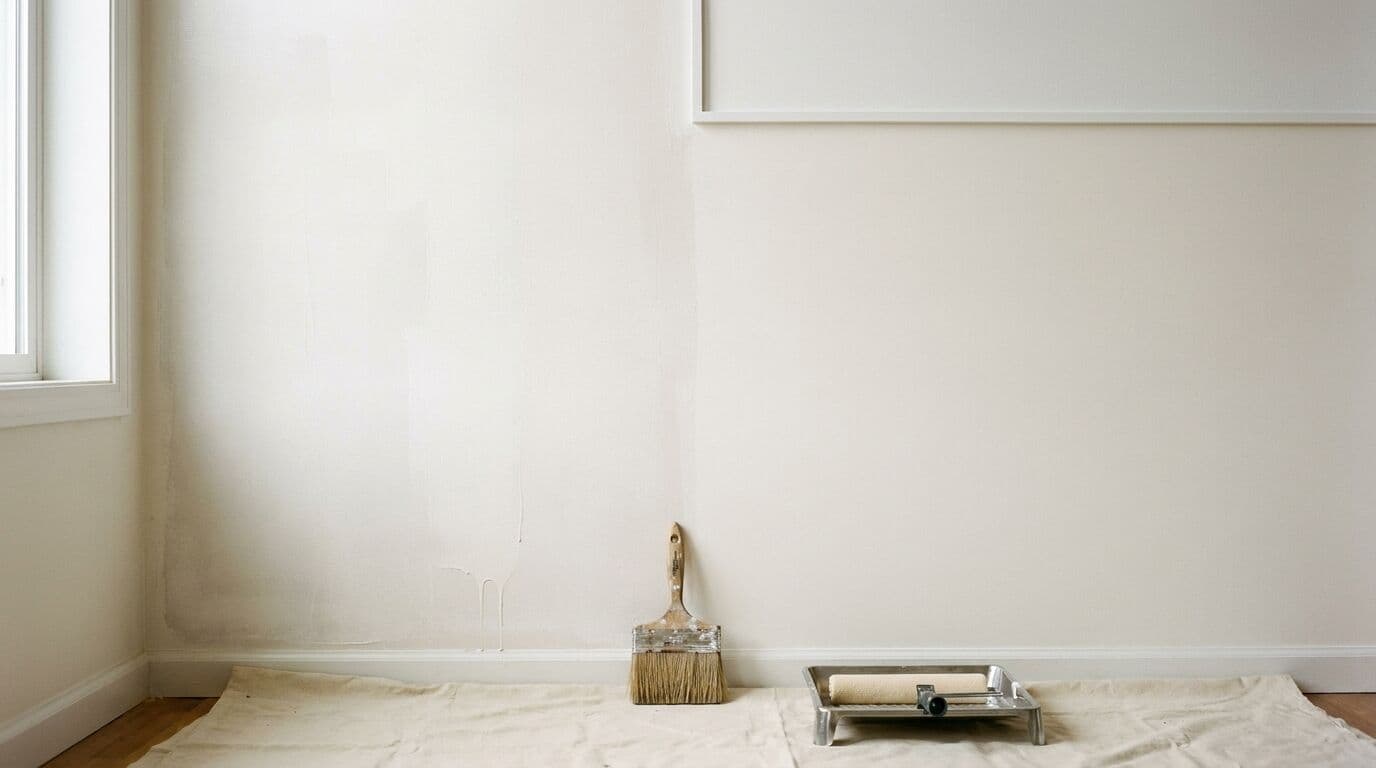
- Single interior walls or feature walls. If you are painting one accent wall in a bedroom or living room, the stakes are low. A decent roller, some Dulux Wash and Wear, good masking tape, and a drop sheet will get you there. Budget around $80 to $120 for paint and materials for a single wall.
- Touch-ups and small patch repairs. Scuff marks, nail holes from hanging pictures, minor chips. These are straightforward fixes. Keep a small tin of your wall colour on hand and you can sort these out in an afternoon.
- Garden furniture and small timber pieces. Painting a bench seat or a letterbox is a great weekend project. Sand it back, apply a good primer, and finish with two coats. You will save the cost of a callout and learn something along the way.
- Internal doors, if you have somewhere to lay them flat. Doors are fiddly when they are hanging, but if you can take them off the hinges and lay them on sawhorses in the garage, you can get a solid result with a small foam roller.
The common thread here is that these jobs are small, low-risk, and forgiving. If your finish is not perfect on a garden bench, nobody notices. If your roller technique leaves a few marks on a feature wall, you can sand back and redo it without too much pain.
Where DIY Starts to Cost You Money
Here is where experience has taught me the most. The jobs that look simple but are not are the ones that catch people out. By the time you add up the cost of materials, equipment hire, your weekends, and the corrections you will probably need, professional painting often works out cheaper.
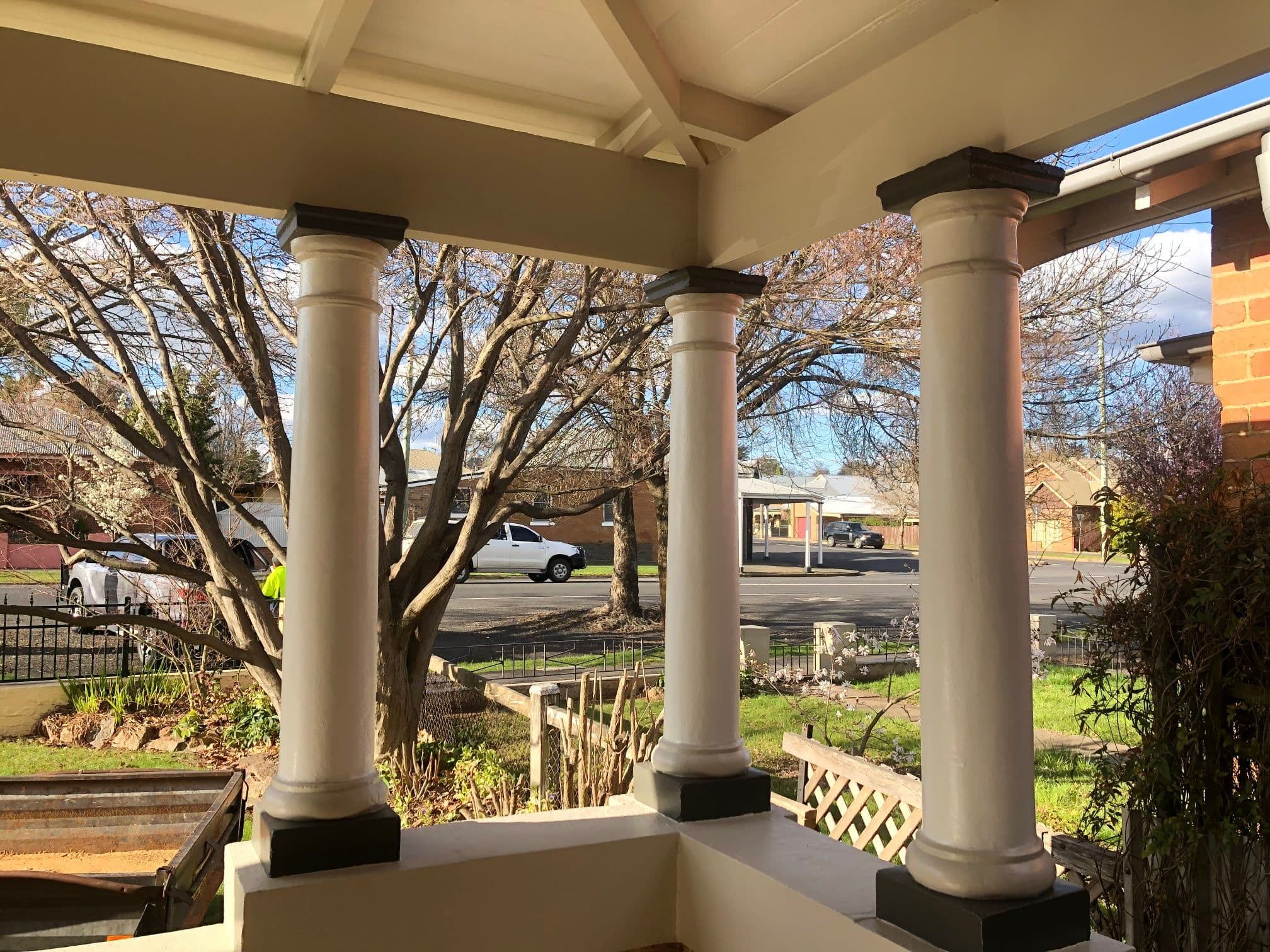
Full exterior repaints are the biggest example. A typical three-bedroom home in Orange or Bathurst might have 180 to 250 square metres of paintable exterior surface. At our elevation of 862 metres, the timber and render on your home have been through a lot. Frost five to eight months of the year, summer temperatures past 35 degrees, and UV levels that are relentless. All of that means the existing surface needs serious preparation before any new paint goes on.
Professional preparation for an exterior job includes pressure washing, scraping and sanding all flaking areas, filling cracks and gaps, spot-priming bare timber, and sometimes applying a full coat of dedicated primer before the topcoats even start. On a typical home, preparation accounts for 40 to 60 percent of the total job time. Most DIY painters underestimate this by half.
I had a homeowner in Millthorpe call me last year after attempting their own exterior repaint. They had spent around $1,800 on paint and materials and three full weekends of work. The paint was already lifting on the south side within four months because they had painted over old flaking paint without properly scraping and priming first. We ended up stripping that entire side back to bare timber and repainting it. The total cost of their DIY attempt plus our correction work was about 30 percent more than if they had called us from the start.
The Preparation Problem
I say this to every customer: paint is only as good as what is underneath it. You can buy the best Dulux Weathershield money can buy, but if you roll it over a dusty, chalky, or flaking surface, it will fail. Full stop.
Professional painters spend years learning how to read a surface. We can look at a wall and tell you whether the existing coating is oil-based or water-based, whether it has been previously painted over a problem, and what preparation it needs. That knowledge comes from doing thousands of jobs across every type of building, from federation homes in Carcoar to new builds in the Orange suburbs.
The preparation steps that most DIY painters skip or underdo include:
- Washing and degreasing. Kitchen and bathroom walls accumulate a film of grease and grime that is invisible but stops paint from bonding. We sugar soap every surface before painting.
- Sanding between coats. A light sand with 220-grit paper between your primer and topcoat, and again between your first and second topcoat, makes a visible difference to the final finish. Most DIY painters skip this because it feels unnecessary. It is not.
- Caulking gaps and cracks. Every join between architraves, skirting boards, and walls needs a bead of flexible caulk before painting. Without it, you get visible gaps that look worse once the fresh paint highlights them.
- Priming bare or repaired areas. Any filler, any bare timber, any patched plaster needs a dedicated primer coat. Topcoat paint is not designed to seal raw surfaces, and you will see those patches as dull spots in your finished wall if you skip the primer.
The Real Cost Comparison
People often compare the cost of a few tins of paint against a professional quote and think the DIY saving is obvious. But the real comparison needs to include everything.
For a typical interior repaint of a three-bedroom home in the Orange or Blayney area, here is what the numbers usually look like:
- DIY cost: Paint and primer ($600 to $900 for quality Dulux products), brushes, rollers, trays, masking tape, drop sheets, gap filler, caulk, sandpaper ($150 to $250 in sundries), plus three to five weekends of your time. Total materials: roughly $800 to $1,150.
- Professional cost: A full interior repaint of a three-bedroom home typically runs between $4,000 and $7,000 depending on condition, ceiling height, and the amount of preparation needed. That includes all materials, all labour, and a warranty on the work.
The dollar gap looks significant until you factor in your time. If you value your weekends at even $30 an hour, those three to five weekends at eight hours each add $720 to $1,200 to your DIY cost. Then add the quality difference. A professional team will complete the same job in three to five days with a consistent, even finish throughout, proper cutting in around all edges, and no roller marks on the ceiling.
Safety and Access
This is one area where I will not compromise, and neither should you. Any job that requires ladder work above two metres, scaffold, or roof access should be left to professionals. Falls from ladders are one of the most common serious injuries in Australian homes, and painting is one of the top causes.
We carry full public liability insurance and use proper scaffold systems for any elevated work. A single fall from a ladder can change your life. No paint job is worth that risk, especially when many homes around Bathurst and Orange have two-storey sections or steep rooflines that make access genuinely dangerous without the right equipment.
When to Call a Professional Without Hesitation
Based on fifty years of experience, here are the jobs where I would always recommend calling a professional painter:
- Any exterior repaint. The preparation requirements, access challenges, and weather-timing considerations make this a professional job every time.
- Whole-of-house interior repaints. The sheer volume of cutting in, ceiling work, and consistency required across multiple rooms makes professional work noticeably better.
- Heritage or period homes. Federation cottages in Millthorpe and Carcoar, older homes in Orange with ornate cornices and timber detailing. These require specific knowledge of compatible paint systems and careful preparation to avoid damaging original features.
- Commercial or rental properties. When time is money, whether it is a shop fit-out in Orange CBD or turning a rental property around between tenants, professional speed and reliability pay for themselves.
- Any job involving lead paint. Homes built before 1970 may have lead-based paint layers. Disturbing lead paint without proper containment and safety procedures is a serious health hazard. This is not a DIY job under any circumstances.
What to Look for in a Professional Painter
If you do decide to hire a professional, make sure they tick these boxes. A good painter will be happy to discuss all of them.
- Fully licensed and insured, with current public liability coverage.
- Happy to provide a detailed written quote that breaks down preparation, primer, and topcoat work separately.
- Uses quality paint systems. We use Dulux products because they perform consistently in our Central West climate, and they back their products with solid technical support.
- Owner-supervised or owner-operated. When the person who quoted your job is the same person overseeing the work, you get accountability that larger firms with subcontracted crews simply cannot match.
- Willing to show you previous work or provide references from local customers.
The Bottom Line
DIY painting has its place. For small, low-risk interior jobs, it can be satisfying and cost-effective. But for anything that involves serious preparation, exterior surfaces exposed to our Central West climate, height access, or a finish that needs to last, professional painting is an investment that pays for itself in durability, safety, and the quality of the result.
I have been painting homes across Orange, Bathurst, Millthorpe, Blayney, and Carcoar for over fifty years. If you are unsure whether your job is a DIY project or one for the professionals, give Murrays Painting a call. We are happy to come out, take a look, and give you an honest, free quote with no obligation. Sometimes the best advice we give is telling someone they can handle it themselves, and we will tell you that if it is true.